 dana
danaWhen I first decided to whip up some Homemade Salmon Dog Food for my pup, Max, I barely knew what to expect. It was a rainy afternoon here in Asheville, and the skies were gray, much like the mood I felt as I noticed Max looking intently at my kitchen counter. That sweet face, filled with curiosity and love, inspired me to create something he could enjoy. Cooking has always been more than just nourishment for me; it’s a way to bond, to express love. I still remember standing in my kitchen, the rich, buttery scent of salmon filling the air, as I chopped vegetables and mixed spices. It brought me back to my grandmother’s kitchen, where every meal was crafted with intention.
As I stirred the pot full of simmering salmon and earthy herbs, I could almost hear my grandmother’s voice encouraging me to savor the process. I felt confident knowing I was providing Max with a wholesome meal that I could trust—something I can only share with him when I cook at home. That first taste test for him was a revelation. His tail wagged with enthusiasm, and he gobbled it up faster than I could have imagined. In that moment, I realized this was more than just food; it was a love letter written in flavors for my furry friend. So, if you’re pondering making your own Homemade Salmon Dog Food, I can assure you—it’s a delightful journey filled with joy and wagging tails!
Flavor and Popularity
The Unique Flavor Profile of Homemade Salmon Dog Food
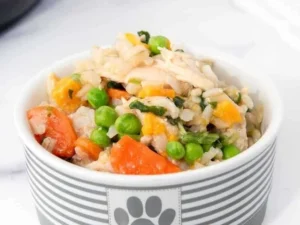
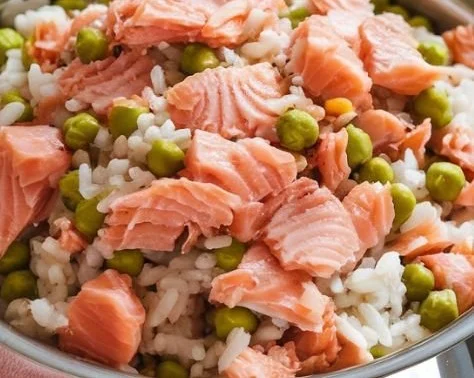
Homemade Salmon Dog Food combines the rich, buttery flavor of fresh salmon with an array of vibrant vegetables and subtle herbs. Salmon itself is known for its deeply satisfying taste and texture. This gives the food an umami quality that’s enticing not just for pups but for their humans as well! When paired with select ingredients like carrots, peas, or green beans, the dish takes on a colorful and wholesome appeal.
The infusion of fresh herbs like dill or parsley adds a fragrant touch, enhancing the overall flavor profile. As the salmon cooks, it releases its natural oils, which contribute to a lovely moist texture—perfect for making a meal that’s both decadent and nourishing. Each bowl of Homemade Salmon Dog Food is like a mini feast, where your pup can relish the flavors and textures all at once, turning mealtime into a delightful experience.
Why This Recipe Is a Family Favorite and Crowd-Pleaser
Not only is Homemade Salmon Dog Food a hit with my four-legged friends, but it’s also a recipe I can proudly share with fellow dog-loving families. The beautiful colors of the ingredients create an inviting dish that sparks curiosity. Family members and friends often ask for the recipe once they see Max enjoying every last bite.
When you create a meal that resonates with not just your pup but also your household, it transforms into something special. Our dogs are an important part of the family, and what better way to express your love than to feed them wholesome, delicious food? After all, cooking should be about joy and togetherness. And with Homemade Salmon Dog Food, I truly feel like I’ve achieved that harmony.
Ingredients and Preparation
Essential Ingredients and Possible Substitutions
To create your own Homemade Salmon Dog Food, you’ll want to gather a handful of essential ingredients. Here’s what you’ll need:
- Fresh Salmon: Opt for skinless fillets to keep it clean and easy for your pup to enjoy.
- Vegetables: Carrots and peas are fantastic for texture and nutrients. You can also incorporate green beans or sweet potatoes for variety.
- Healthy Fats: A splash of olive oil or a bit of fish oil can boost Omega-3 levels, promoting a healthy coat and skin.
- Herbs: Fresh dill or parsley can add a nice touch of flavor and is safe for dogs.
- Brown Rice or Quinoa: These grains provide carbohydrates that support energy levels and digestive health.
If you need substitutions, don’t worry! If salmon isn’t available, canned salmon works just as well, and some pups may even enjoy white fish like cod. You can mix and match your vegetables too. For example, zucchini or spinach can effortlessly replace carrots or peas, depending on what you have on hand.
Step-by-Step Recipe Instructions with Tips
Making Homemade Salmon Dog Food is simple and satisfying. Here’s how to do it in just under an hour:
-
Cook the Salmon: Start by preheating your oven to 350°F. Line a baking dish with parchment paper and place the salmon fillets inside. Bake for about 20 minutes or until the salmon is fully cooked and flakes easily with a fork.
-
Prepare the Vegetables: While the salmon is baking, chop up your vegetables into small, manageable pieces. Cooking them can improve digestibility, so consider steaming them lightly for about 5–7 minutes until they’re just tender.
-
Cook Your Grains: If you’re using brown rice or quinoa, cook according to package instructions. Typically, rice takes about 20 minutes to become fluffy, while quinoa cooks quicker—about 15 minutes.
-
Combine Ingredients: In a large bowl, mix the flaked salmon, cooked vegetables, grains, and a drizzle of healthy oil. Stir well to ensure everything is evenly combined and each bite is full of flavor.
-
Serve & Store: Once everything is cool, serve a portion to your pup! Store any leftovers in an airtight container in the fridge for up to five days or freeze portions for future meals.
Cooking Techniques and Tips
How to Cook Homemade Salmon Dog Food Perfectly
Cooking Homemade Salmon Dog Food is all about timing and balance. The key is to ensure that the salmon stays moist while thoroughly cooking the vegetables. Using parchment paper during baking not only simplifies cleanup but also helps retain moisture.
For the vegetables, consider steaming instead of boiling. Steaming keeps the nutrients locked in while still offering a tender bite. This simple technique maintains their vibrant colors and flavors, creating a visually appealing dish.
Common Mistakes to Avoid
One common mistake is overlooking the potential for seasoning. While dogs shouldn’t be fed overly salty or spicy food, don’t forget that herbs can add nuance without any harmful effects.
Another pitfall is using fatty fish with skin still on, like mackerel, which might be too rich for your pet’s digestive system. Stick with salmon or lean white fish, and ensure you remove any bones.
Lastly, avoid overfeeding. Homemade food should supplement a dog’s diet, not completely replace their primary food source unless directed by a veterinarian. Adapting gradually will help you monitor how your puppy responds to the new meal.
Health Benefits and Serving Suggestions
Nutritional Value of Homemade Salmon Dog Food
Homemade Salmon Dog Food provides a well-balanced meal. Salmon is a fantastic source of high-quality protein, delivering essential amino acids that support muscle growth and repair. It’s rich in Omega-3 fatty acids, which promote good heart and brain health.
The added vegetables contribute vitamins A, C, and K, as well as important minerals like potassium and magnesium. Brown rice or quinoa serves as a satisfying carbohydrate source that provides energy while aiding digestion. This meal is crafted thoughtfully to cater to your furry companion’s nutritional needs!
Best Ways to Serve and Pair This Dish
I always recommend serving Homemade Salmon Dog Food at room temperature. This temperature allows the flavors to shine without overwhelming your pup’s palate. Pairing this dish with a side of fresh, chopped cucumber or carrot sticks can offer a crunchy treat your dog will adore.
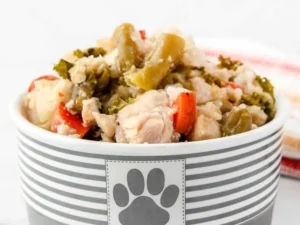
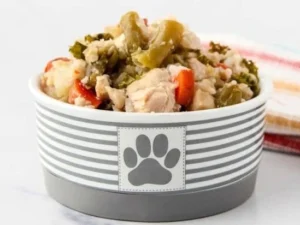
Additionally, if you find Max has a weakness for shiny bowls, creating a little “doggy brunch” by serving the salmon dish in a pet-friendly bowl with a sprinkle of parsley on top can elevate the moment. Just make sure to watch out for any leftovers to ensure your pup’s health!
FAQ Section
What type of mushrooms are best for Homemade Salmon Dog Food?
When preparing Homemade Salmon Dog Food, it’s best to avoid mushrooms entirely. Many mushrooms are not safe for dogs, so stick to the dog-friendly vegetables like carrots, peas, and green beans.
Can I use dried garlic instead of fresh?
It’s advisable to steer clear of garlic in any form when making dog food. Dogs can have sensitivities to garlic, which can lead to gastrointestinal issues. Stick to pet-safe herbs such as parsley or dill for flavor instead.
How do I store leftover Homemade Salmon Dog Food?
Store any leftover food in an airtight container in the refrigerator. It should remain fresh for up to five days. Always check for any changes in smell or texture before serving it to your pet!
Can I freeze Homemade Salmon Dog Food?
Absolutely! Freezing Homemade Salmon Dog Food is a great way to save time and ensure you have convenient meals on hand for Max. Portion it into freezer-safe bags or containers, and it can last for up to three months. Just remember to thaw it completely before serving.
Conclusion
If you’re like me, you love creating meaningful connections through food. Cooking for Max and seeing his unbridled joy reminds me of all the special moments shared at the table, filled with laughter and love. Making Homemade Salmon Dog Food is not just a task; it’s an opportunity to weave joy into the lives of our cherished pets. There’s something comforting about knowing I’ve prepared a meal that enriches his life and health. Trust me, you’ll want to make this again and again, if only for those wagging tails and grateful eyes!
Print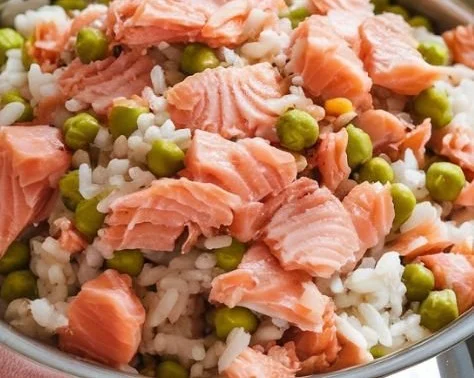
Homemade Salmon Dog Food
A nutritious and delicious homemade salmon dog food recipe packed with fresh veggies and healthy fats for your pup.
- Total Time: 40 minutes
- Yield: 4 servings
Ingredients
- 2 skinless salmon fillets
- 1 cup carrots, chopped
- 1 cup peas
- 1/2 cup brown rice or quinoa
- 1 tablespoon olive oil or fish oil
- 2 tablespoons fresh dill or parsley, chopped
Instructions
- Preheat your oven to 350°F. Line a baking dish with parchment paper and place the salmon fillets inside. Bake for about 20 minutes or until the salmon is fully cooked and flakes easily with a fork.
- Chop up your vegetables into small, manageable pieces. Steam them lightly for about 5–7 minutes until they’re just tender.
- Cook the brown rice or quinoa according to package instructions.
- Mix the flaked salmon, cooked vegetables, grains, and a drizzle of healthy oil in a large bowl. Stir well to ensure everything is evenly combined.
- Serve a portion to your pup, and store any leftovers in an airtight container in the fridge for up to five days or freeze for future meals.
Notes
Avoid using mushrooms or garlic, as they are not safe for dogs.
- Prep Time: 10 minutes
- Cook Time: 30 minutes
- Category: Dog Food
- Method: Baking
- Cuisine: Dog Treat
- Diet: Dog-friendly

 LINDA
LINDA
 dana
dana