 LINDA
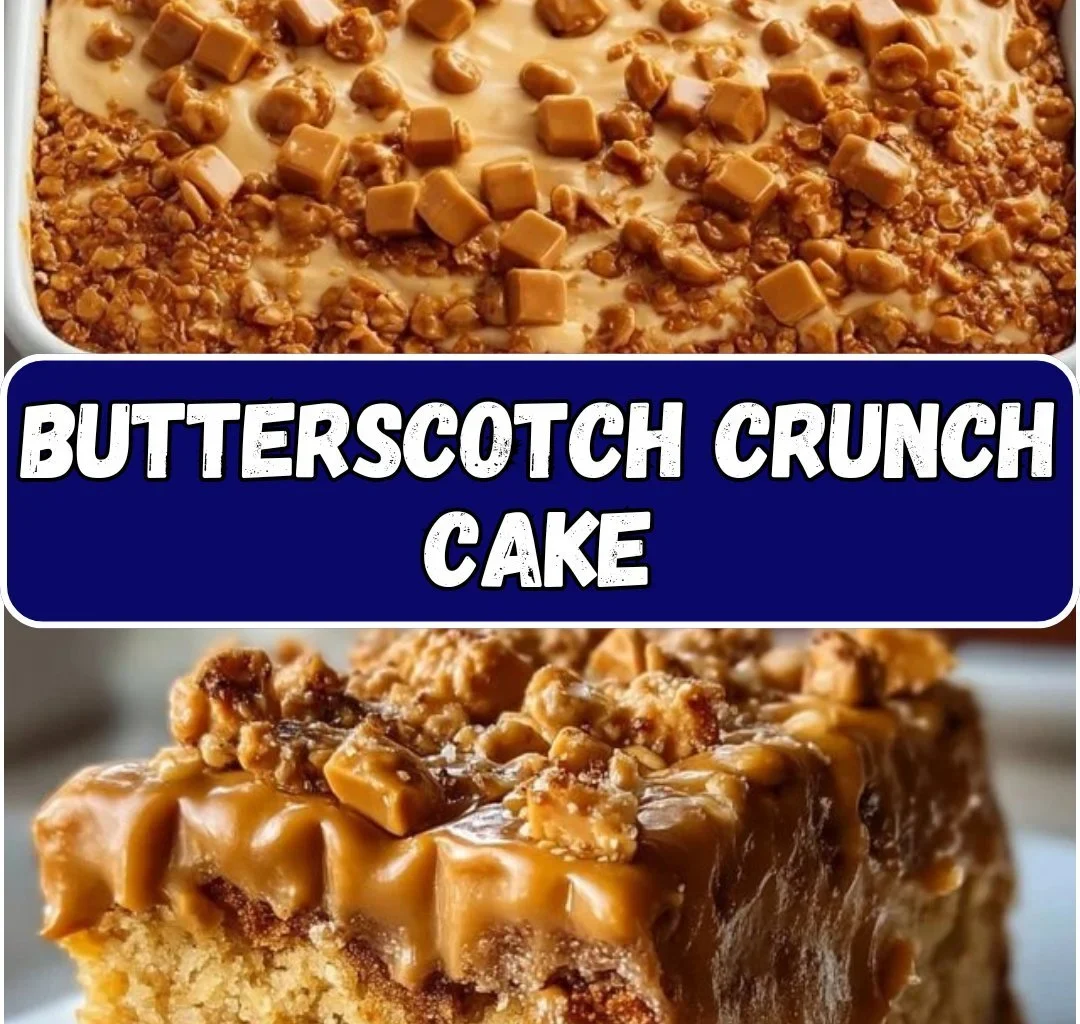
LINDAThe first time I baked a butterscotch crunch cake, it was for my son’s birthday. He had asked for “something sweet, but not chocolate,” which, in my house, was a rare request. I remember pulling out a recipe card that had been tucked into one of my grandmother’s cookbooks, written in her elegant cursive. The words “butterscotch” and “crunch” jumped out at me immediately—I could almost taste the caramel sweetness and hear the satisfying crunch just from the title. As I stirred the batter, the scent of brown sugar and butter filled the kitchen, wrapping me in a cloud of nostalgia. When the cake came out of the oven, golden and fragrant, I layered it with a creamy butterscotch frosting and sprinkled the top with a crispy, buttery crunch. Watching my family dig in, hearing the mix of soft cake and crunchy topping with every bite, I knew this dessert was something special. It wasn’t just a cake—it was a celebration of texture and flavor, the kind of treat that makes ordinary moments feel extraordinary.
Table of Contents
Flavor and Popularity
The Unique Flavor Profile of this Cake
Butterscotch crunch cake is a delightful balance of sweet, buttery richness and satisfying texture. The base cake is moist and tender, often flavored with brown sugar and vanilla to enhance the natural caramel notes of butterscotch. The frosting, creamy and smooth, carries that distinct buttery-sweet flavor, while the crunch topping brings contrast with its crisp bite. Every slice is layered with soft, rich, and crunchy sensations, making it impossible to stop at just one piece.
Why This Recipe Is a Family Favorite and Crowd-Pleaser
This cake has something for everyone—comforting sweetness, indulgent creaminess, and playful crunch. It’s the kind of dessert that disappears quickly at potlucks, birthdays, or holidays. Families love it because it feels homemade and heartfelt, while guests appreciate its unique twist on classic flavors. It bridges generations—reminding older folks of old-fashioned butterscotch candies, while giving kids an exciting texture that keeps them coming back for seconds.
Ingredients and Preparation
Essential Ingredients and Possible Substitutions
To make a butterscotch crunch cake, you’ll need:
Flour: All-purpose works best for a tender crumb.
Brown Sugar: Brings that deep butterscotch flavor.
Butter: For both the cake and the frosting—it’s the soul of butterscotch.
Eggs: To bind and add richness.
Milk or Cream: For moisture and a smooth batter.
Vanilla Extract: Enhances the sweetness.
Butterscotch Chips: Melted into the batter or frosting for intensity.
Crunch Topping: Made from crushed toffee, butterscotch candies, or even cornflakes mixed with butter and sugar.
Substitutions are simple. Swap gluten-free flour for the standard kind, or use coconut sugar for a slightly different sweetness. If you don’t have butterscotch chips, caramel chips or even a drizzle of homemade caramel sauce can be a stand-in. For a lighter version, Greek yogurt can replace part of the butter or oil.

Step-by-Step Recipe Instructions with Tips
Preheat oven and grease your cake pans.
Cream butter and brown sugar until fluffy. Beat in eggs one at a time.
Add flour alternately with milk, mixing just until smooth. Stir in melted butterscotch chips.
Pour into pans and bake until a toothpick comes out clean.
While cooling, prepare frosting by melting butter, whisking with powdered sugar, a splash of cream, and melted butterscotch.
For crunch topping, combine crushed butterscotch candies or toffee with melted butter and sugar. Toast lightly for extra crispness.
Frost cake layers generously, then sprinkle or press crunch topping on top and sides.
Tip: For extra flair, drizzle a bit of warm butterscotch sauce over the cake just before serving.
Cooking Techniques and Tips
How to Bake It Perfectly
Keep butter at room temperature before creaming—it traps air and creates a lighter cake. Don’t overmix the batter, as this can make the cake dense. Always let the cake cool fully before frosting; otherwise, the frosting may melt. For the crunch topping, let it cool on parchment paper before sprinkling over the cake to keep it crisp.
Common Mistakes to Avoid
Avoid skimping on brown sugar—it’s the backbone of the flavor. Don’t overbake; butterscotch cake is best when it stays moist. Another common error is adding the crunch topping too early; it can absorb moisture from the cake and lose its crispness. Add it just before serving for maximum texture.

Health Benefits and Serving Suggestions
Nutritional Value of this Cake
Butterscotch crunch cake is a treat, and while it leans indulgent, it does offer some nourishment. Eggs provide protein, and milk adds calcium. By adjusting ingredients—using whole wheat flour, reducing sugar, or adding Greek yogurt—you can make it a bit lighter while still keeping its comforting flavor.
Best Ways to Serve and Pair This Cake
This cake shines at celebrations—birthdays, anniversaries, or holiday gatherings. Pair it with a scoop of vanilla ice cream or a dollop of whipped cream for added indulgence. A cup of strong coffee or black tea helps cut through the sweetness, making it a balanced and memorable dessert experience.
FAQ Section
Can I make butterscotch crunch cake ahead of time?
Yes, the cake layers can be baked a day ahead and stored wrapped tightly. Frosting and topping are best added the day you serve it to keep the crunch fresh.
Can I use caramel instead of butterscotch?
Caramel has a similar sweetness, but butterscotch offers a deeper, buttery richness. If caramel is what you have, it works, but the flavor profile will be slightly different.
How do I store leftovers?
Store the cake in an airtight container at room temperature for up to two days, or refrigerate for up to four. If chilled, bring to room temperature before serving for the best texture.
Can I freeze this cake?
Yes, unfrosted cake layers freeze beautifully for up to two months. Wrap well in plastic wrap and foil. Add frosting and crunch topping after thawing for best results.
Conclusion
If you’re like me, you know there’s something magical about a cake that combines soft sweetness with a little crunch. Butterscotch crunch cake isn’t just dessert—it’s a memory maker, the kind of treat that brings smiles the moment it’s sliced. There’s something comforting about its buttery flavor, the way it crumbles softly yet surprises you with a crisp bite. Trust me, once you bake this cake, you’ll find yourself making it again and again—because every celebration deserves a touch of butterscotch joy.
Print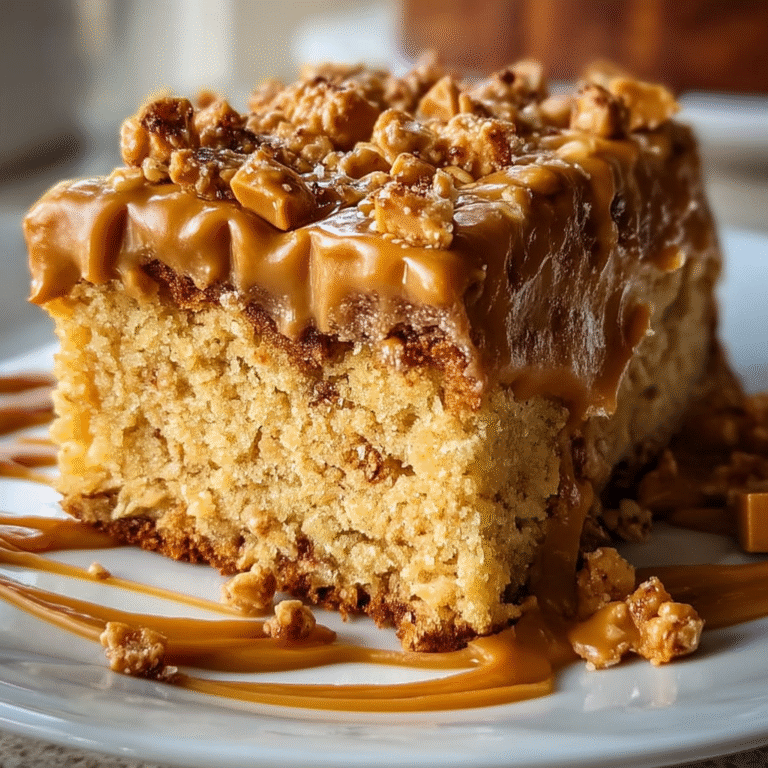
Butterscotch Crunch Cake
A nostalgic cake with a delightful blend of sweet butterscotch and a satisfying crunch, perfect for family gatherings and celebrations.
- Total Time: 50 minutes
- Yield: 12 servings
Ingredients
- 2 cups all-purpose flour
- 1 tablespoon baking powder
- 1 cup granulated sugar
- 1 cup packed brown sugar
- 1 cup unsalted butter, softened
- 3 large eggs
- 1 teaspoon vanilla extract
- 1 cup butterscotch chips
- 1 cup milk
- Powdered sugar for dusting (optional)
- Butterscotch glaze for drizzling (optional)
Instructions
- Preheat your oven to 350°F (175°C) and grease a 9×13 inch baking pan.
- Cream together the softened butter and granulated sugar until light and fluffy.
- Add the brown sugar and mix until well combined.
- Beat in the eggs one at a time, followed by the vanilla extract.
- In a separate bowl, whisk together the flour and baking powder.
- Gradually mix the dry ingredients into the wet mixture, alternating with the milk.
- Gently fold in the butterscotch chips.
- Pour the batter into the prepared pan and smooth it out.
- Bake for 30-35 minutes, or until a toothpick comes out clean.
- Let the cake cool in the pan for 10 minutes before transferring to a wire rack to cool completely.
- Optional: Dust with powdered sugar or drizzle with butterscotch glaze before serving.
Notes
Ensure not to overmix the batter to maintain a light texture. Use softened butter for better creaming.
- Prep Time: 15 minutes
- Cook Time: 35 minutes
- Category: Dessert
- Method: Baking
- Cuisine: American
- Diet: Vegetarian

 LINDA
LINDA


 dana
dana

